Why People Compare Soulmate Sketches to Real People
One of the most common reactions after receiving a soulmate sketch is comparison. Many people instinctively compare the image to people they already know, have known in the past, or imagine meeting in the future.
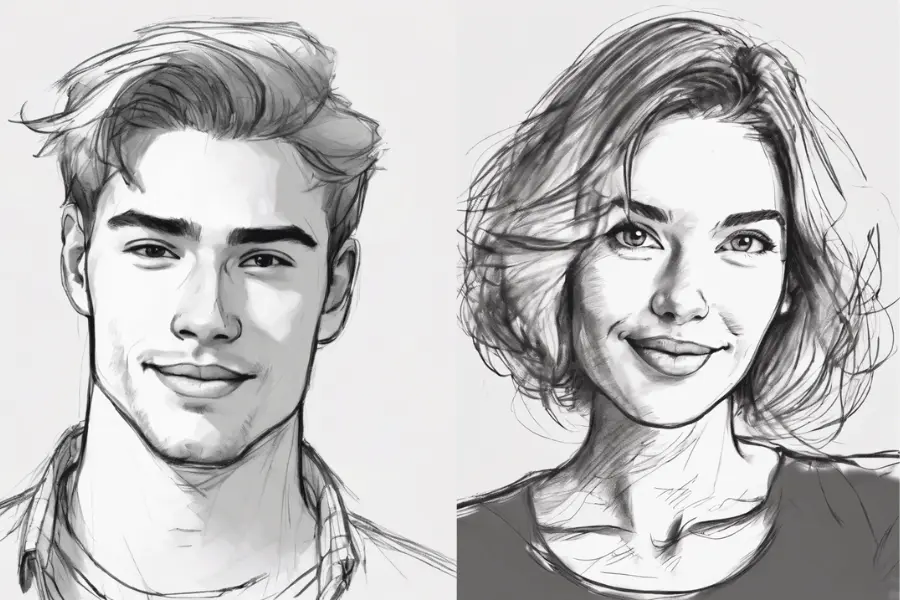
This behavior is natural and deeply rooted in how the human brain processes images, familiarity, and meaning. Understanding why this happens can help people approach the experience more thoughtfully.
Pattern Recognition Is Automatic
The human brain is designed to recognize patterns quickly. When we see a face — even an illustrated one — our minds immediately search for similarities to faces we have already seen.
This process happens automatically and does not require belief in the sketch itself. It is simply how visual cognition works.
Familiarity Feels Meaningful
Familiar features can trigger emotional recognition. When a sketch resembles someone a person knows, the brain may assign meaning to that resemblance.
This does not mean the sketch is identifying that person. It reflects how memory and familiarity influence perception.
Memory and Imagination Interact
Memory and imagination often work together. When viewing a soulmate sketch, people may unconsciously blend past experiences with imagined future possibilities.
This blending can make the sketch feel personal, even when the resemblance is general rather than specific.
Why Comparison Can Feel Compelling
Comparison can feel compelling because it offers a sense of clarity. Matching an image to a real person may feel more concrete than leaving the sketch open to interpretation.
However, this desire for clarity can also create unnecessary pressure on the experience.
Comparison Does Not Equal Prediction
Comparing a sketch to a real person does not mean the sketch is predictive. It reflects the mind’s tendency to seek meaning and coherence.
If you are wondering whether sketches are meant to be taken literally, this related article may help clarify expectations: Should You Take a Soulmate Sketch Literally? .
When Comparison Becomes Unhelpful
Comparison can become unhelpful when someone feels pressured to “find” the person in the sketch or views a lack of match as failure.
This mindset can lead to disappointment, especially when expectations were not clearly defined.
A More Balanced Way to View the Image
A more balanced approach is to treat the sketch as symbolic inspiration. Rather than asking who it looks like, some people find value in asking what qualities or emotions the image evokes.
This approach allows for reflection without forcing conclusions.
If you are interested in reflective use rather than literal matching, this related guide explores that perspective: Are Soulmate Sketches for Emotional Reflection? .
See an Example of the Soulmate Sketch Experience
Viewing an example can help clarify how the experience is meant to be approached.
View the Soulmate Sketch ExperienceFor entertainment and general informational purposes only.
Related Topics Worth Exploring
Final Thoughts
Comparing soulmate sketches to real people is a natural psychological response driven by pattern recognition and meaning-making. When viewed with balance, the experience can remain reflective without creating pressure or false conclusions.