What Happens After You Receive a Soulmate Sketch?
Receiving a soulmate sketch is often described as the beginning of the experience rather than the end. While much attention is placed on ordering or receiving the sketch itself, what happens afterward varies greatly from person to person.
Some people feel an immediate emotional response, while others need time to process the image and what it represents. This article explores common reactions after receiving a soulmate sketch and how people tend to interpret the experience over time.
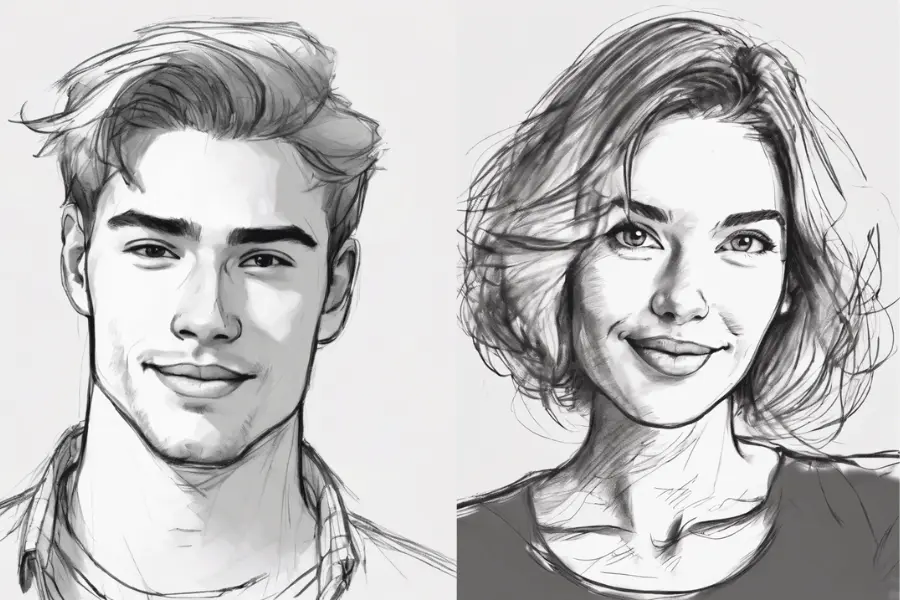
A Common First Reaction: Curiosity
Curiosity is one of the most common reactions after receiving a soulmate sketch. People often examine facial features, expressions, and artistic details, wondering what the image represents or why certain elements stand out.
Because soulmate sketches are symbolic, curiosity can be a healthy response. It allows space for reflection without forcing immediate conclusions.
Some People Feel an Emotional Response
In some cases, people experience an emotional reaction such as excitement, comfort, or intrigue. This response is often connected to personal hopes, imagination, or the timing of the experience.
Emotional reactions do not indicate accuracy or prediction. They simply reflect how symbolic imagery interacts with personal feelings and expectations.
Comparison to Real People Is Very Common
Many people compare their soulmate sketch to individuals they already know. This can include former partners, current acquaintances, or imagined future connections.
This comparison happens naturally because the human brain looks for patterns and familiarity. It does not mean the sketch is meant to identify a specific person.
If this behavior feels familiar, this related article explores it in more detail: Why People Compare Soulmate Sketches to Real People .
Reflection Often Becomes the Most Valuable Part
Over time, many people find that reflection is the most meaningful aspect of the experience. The sketch may prompt questions about what they truly want in a relationship or what patterns they hope to change.
These reflections are personal and internal rather than externally driven by the sketch itself.
Neutral Reactions Are Normal Too
Not everyone feels emotionally connected after receiving their sketch. Some people feel neutral, unsure, or indifferent.
Neutrality does not mean the experience failed. It simply means the sketch did not resonate strongly at that moment or did not align with personal preferences.
Timing Can Influence Interpretation
Timing plays an important role in how a soulmate sketch is received. Someone experiencing a period of emotional openness may interpret the sketch differently than someone feeling grounded or skeptical.
This timing effect helps explain why the same experience can feel meaningful at one point in life and unremarkable at another.
What People Do After Receiving the Sketch
After receiving a soulmate sketch, people respond in a variety of ways. Common responses include:
- Saving the image for later reflection
- Sharing it with close friends
- Comparing it to people they know
- Reflecting privately on relationship values
- Setting it aside after initial curiosity
None of these responses are right or wrong. They simply reflect individual personality and expectations.
Keeping Expectations Balanced
One of the healthiest ways to approach the experience is to view the sketch as entertainment and creative reflection. Avoid using it as a source of reassurance or certainty.
If you are seeking a clear overview of what the experience offers, this review provides helpful context: Soulmate Sketch Review: What to Expect .
See an Example of the Soulmate Sketch Experience
Viewing an example can help clarify what the experience looks like and how it is intended to be approached.
View the Soulmate Sketch ExperienceFor entertainment and general informational purposes only.
Related Topics Worth Exploring
How This Article Fits Into the Hub
This article is part of a broader collection of guides explaining soulmate sketches in a grounded and transparent way. To explore all related topics, visit: Soulmate Sketches & Twin Flame Drawings .
Final Thoughts
What happens after receiving a soulmate sketch depends largely on mindset, expectations, and emotional context. Approached with openness and balance, the experience can be interesting without creating pressure or unrealistic beliefs.