What Role Hope Plays in the Soulmate Sketch Experience
Hope is one of the most powerful emotions involved in the soulmate sketch experience. While soulmate sketches are designed as symbolic and reflective experiences, many people approach them during moments when hope feels especially important.
This article explores how hope shapes interpretation, emotional response, and meaning — without turning the experience into a promise or prediction.
Why Hope Is Often Present
People are often drawn to soulmate sketches during periods of transition, healing, or emotional uncertainty. In these moments, hope can act as a stabilizing force.
Hope does not necessarily mean belief in a specific outcome. It can simply reflect a desire for connection, clarity, or emotional renewal.
Hope Shapes Emotional Response
When hope is present, people may feel more emotionally open to the experience. This openness can make the sketch feel meaningful, even when it is understood symbolically.
Emotional resonance often comes from the internal state of the viewer rather than the objective features of the sketch.
Hope vs. Expectation
It is important to distinguish hope from expectation. Hope is flexible and open-ended, while expectation often seeks certainty.
Soulmate sketches tend to feel most balanced when hope is present without rigid expectations attached.
If expectations begin to dominate the experience, this related article explores how that shift can affect interpretation: Can a Soulmate Sketch Create False Expectations? .
Why Hope Can Make the Experience Feel Powerful
Hope can heighten emotional sensitivity. When someone is hopeful, they may notice details, symbolism, or meaning more readily.
This does not mean the experience is predictive — only that hope amplifies reflection.
When Hope Becomes Too Heavy
Hope becomes unhelpful when it turns into pressure. If someone feels that the sketch must provide reassurance or answers, disappointment may follow.
Recognizing this shift can help maintain emotional balance.
Using Hope as a Reflective Tool
When approached thoughtfully, hope can be used as a reflective tool. Instead of focusing on outcomes, some people ask:
- What kind of connection am I hoping for?
- What values feel most important to me right now?
- What does healthy love look like in my life?
These questions encourage internal awareness rather than external validation.
Keeping Hope Grounded
Grounded hope allows people to enjoy the experience without placing emotional weight on the outcome. This balance supports reflection without creating dependency.
Viewing the sketch as creative exploration helps keep hope realistic.
See an Example of the Soulmate Sketch Experience

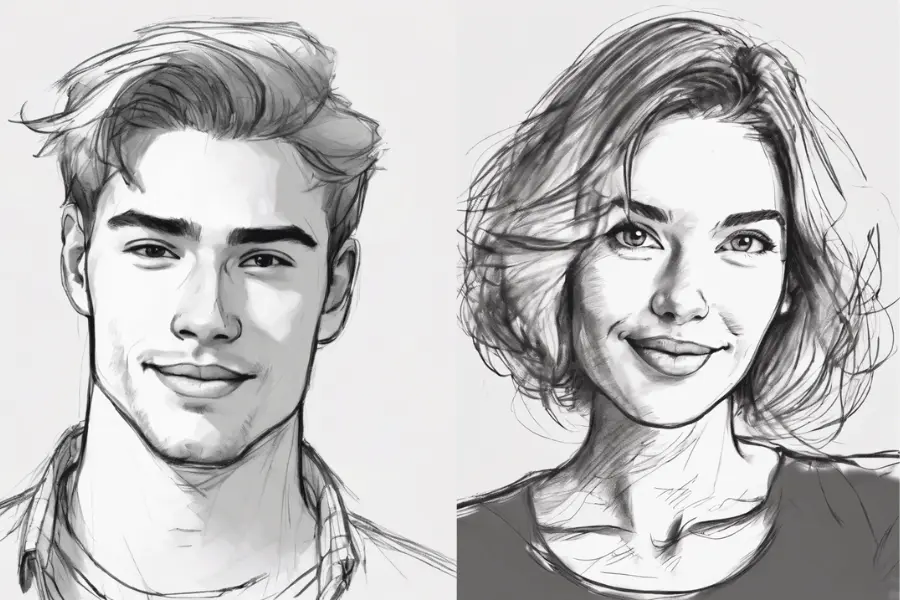
Viewing an example can help clarify how hope fits into the experience without creating guarantees.
View the Soulmate Sketch ExperienceFor entertainment and general informational purposes only.
Related Topics Worth Exploring
Final Thoughts
Hope plays a meaningful role in how soulmate sketches are experienced, but it does not turn them into promises. When hope is balanced with realism, the experience can feel uplifting without creating pressure.