Do Soulmate Sketches Work the Same for Everyone?
Soulmate sketches often generate very different reactions from one person to another. Some individuals feel an emotional connection or sense of curiosity immediately, while others experience neutrality or uncertainty.
These differences raise a common question: do soulmate sketches work the same way for everyone? The short answer is no — and understanding why can help people approach the experience more realistically.
What People Mean When They Say a Sketch “Works”
When someone asks whether a soulmate sketch “works,” they are often referring to different things. For some, “working” means feeling emotionally inspired or reflective. For others, it means recognizing features that resemble someone they know.
Because soulmate sketches are symbolic experiences rather than factual tools, the definition of success varies from person to person.
Mindset Has a Significant Impact
Mindset plays a major role in shaping the experience. Individuals who approach the sketch with curiosity and openness tend to engage with it differently than those seeking certainty or confirmation.
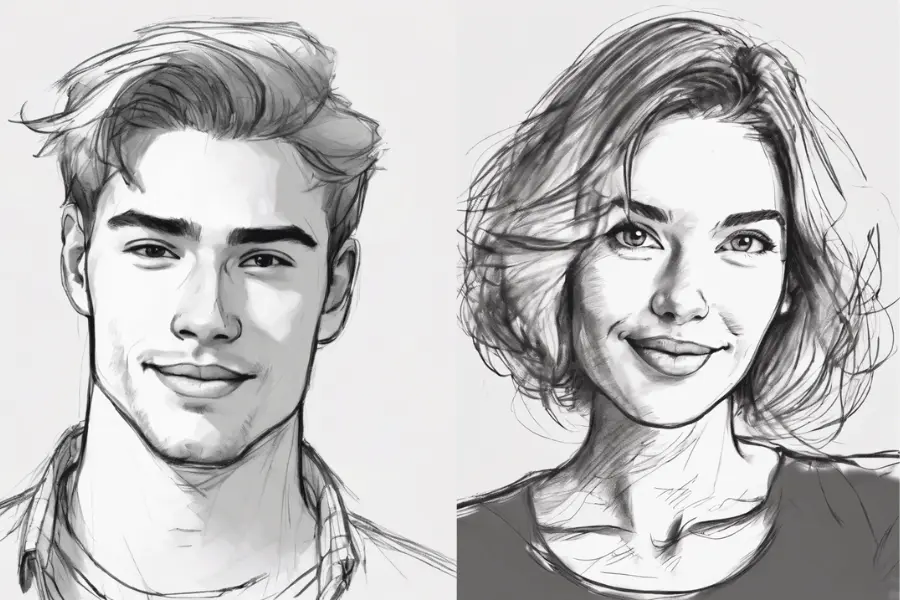
When expectations are flexible, people are more likely to view the sketch as a reflective or creative experience rather than a test that must be passed.
If you want a deeper look at how expectations influence reactions, this related article explores that topic further: How Expectations Shape the Soulmate Sketch Experience .
Emotional Context Shapes Interpretation
Emotional context also matters. Many people explore soulmate sketches during periods of transition, healing, or uncertainty.
Someone feeling hopeful may interpret the sketch as encouraging, while someone feeling anxious may focus on what feels unclear or missing. These reactions reflect emotional state rather than accuracy.
People Interpret Images Differently
Visual interpretation varies widely. Some people naturally look for symbolic meaning, while others prefer literal representation.
A single image can spark imagination for one person and feel purely artistic to another. Neither response is incorrect.
Personal Beliefs Influence Experience
Beliefs about symbolism, spirituality, or creativity can influence how a soulmate sketch is perceived. Someone who enjoys reflective or symbolic experiences may feel more engaged than someone who prefers concrete explanations.
This does not mean belief is required — only that perspective shapes interpretation.
Comparison Can Skew Perception
Comparing one’s experience to testimonials or stories shared by others can lead to confusion. When reactions do not match expectations, some people assume the experience did not “work.”
In reality, variation is normal. Emotional resonance is subjective.
Defining Your Own Expectations
Clarifying what you hope to gain from the experience can help prevent frustration. Viewing a soulmate sketch as entertainment or reflection allows room for personal interpretation.
If you want an overview of what the experience is designed to offer, this review provides a balanced explanation: Soulmate Sketch Review: What to Expect .
See an Example of the Soulmate Sketch Experience
Watching an example can help you understand how the experience is presented and decide whether it aligns with your expectations.
View the Soulmate Sketch ExperienceFor entertainment and general informational purposes only.
Related Topics Worth Exploring
Final Thoughts
Soulmate sketches do not work the same way for everyone because people interpret symbolic experiences differently. When approached with openness and realistic expectations, the experience can be engaging without requiring certainty.