Do Soulmate Sketches Mean Different Things at Different Life Stages?
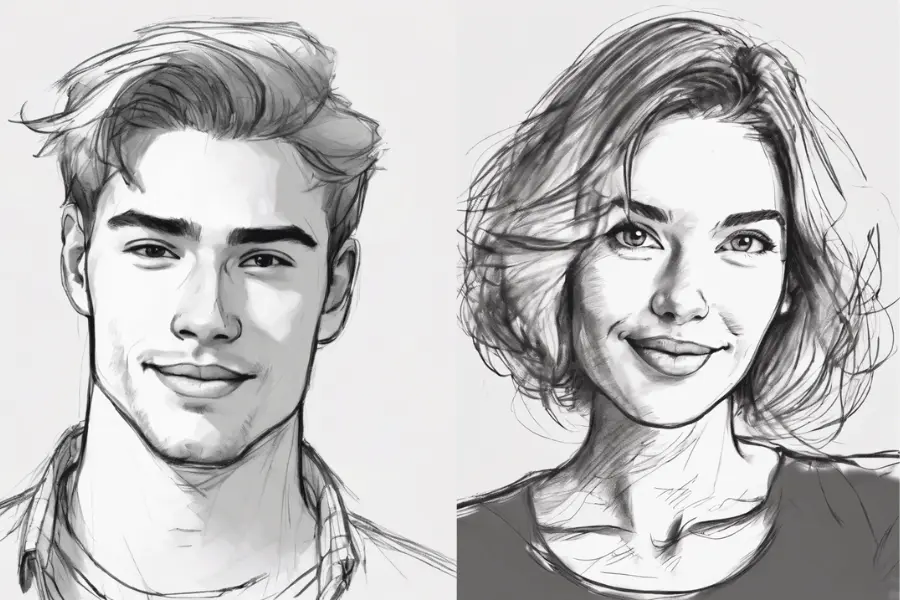
A soulmate sketch does not exist in isolation. The meaning someone assigns to the experience is often shaped by where they are in life, what they have lived through, and what they are currently seeking.
This is why soulmate sketches can feel very different depending on age, relationship history, and emotional context. This article explores how interpretation often shifts across different life stages.
Life Stage Shapes Interpretation
People do not approach symbolic experiences as blank slates. Life experiences, personal growth, and emotional maturity all influence how meaning is constructed.
A soulmate sketch viewed at one stage of life may feel inspiring, while the same experience at another stage may feel neutral or purely artistic.
Early Adulthood: Exploration and Possibility
In earlier stages of adulthood, people are often exploring identity, relationships, and possibility. A soulmate sketch during this phase may feel exciting or imaginative.
The image may be interpreted as representing potential rather than commitment, reflecting openness to new experiences.
Midlife: Reflection and Reassessment
For people in midlife, soulmate sketches are often viewed through a more reflective lens. Past relationships, lessons learned, and emotional boundaries tend to influence interpretation.
At this stage, the experience may prompt reflection on values, compatibility, and emotional health rather than appearance.
After Major Life Transitions
After significant transitions such as divorce, loss, or major change, people may approach soulmate sketches with a mix of caution and hope.
The sketch may symbolize renewal or emotional readiness rather than a literal future partner.
Later Life: Meaning Over Expectation
In later life stages, symbolic experiences are often interpreted with less urgency and more perspective. A soulmate sketch may be seen as creative reflection rather than something that must “lead” somewhere.
At this stage, emotional resonance often matters more than outcome.
Why the Same Sketch Can Feel Different Over Time
Some people revisit their soulmate sketch years later and find that it feels different. This change usually reflects personal growth rather than changes in the sketch itself.
Meaning evolves as people do.
Life Experience Influences Emotional Response
Emotional responses tend to become more nuanced with experience. Someone with a long relationship history may focus less on appearance and more on emotional qualities suggested by the image.
This shift often leads to more grounded interpretation.
There Is No “Correct” Stage for the Experience
There is no ideal life stage for exploring a soulmate sketch. The experience simply reflects what a person brings to it at the time.
What matters most is approaching the experience with awareness and realistic expectations.
Keeping the Experience Balanced Across Life Stages
Regardless of life stage, it helps to view soulmate sketches as symbolic and reflective rather than directive. This approach allows meaning to evolve naturally.
If expectations begin to feel rigid, this related article explores how mindset shapes interpretation: How to Approach a Soulmate Sketch With the Right Mindset .
See an Example of the Soulmate Sketch Experience

Viewing an example can help clarify how interpretation may shift depending on personal context.
View the Soulmate Sketch ExperienceFor entertainment and general informational purposes only.
Related Topics Worth Exploring
Final Thoughts
Soulmate sketches can mean different things at different life stages because people themselves change. When approached with awareness and balance, the experience can remain meaningful without being tied to age, timing, or expectation.