Can a Soulmate Sketch Feel Different the Second Time?
Many people assume that repeating a symbolic experience will produce the same reaction every time. However, with soulmate sketches, this is often not the case.
Some individuals report that the soulmate sketch experience feels noticeably different the second time — even when the format remains the same. This difference usually reflects changes in mindset, expectations, or emotional context rather than changes in the sketch itself.
First-Time Experiences Often Carry Novelty
The first time someone explores a soulmate sketch experience, novelty plays a significant role. Curiosity, anticipation, and uncertainty often heighten emotional awareness.
This initial novelty can amplify reactions — whether excitement, skepticism, or emotional resonance.
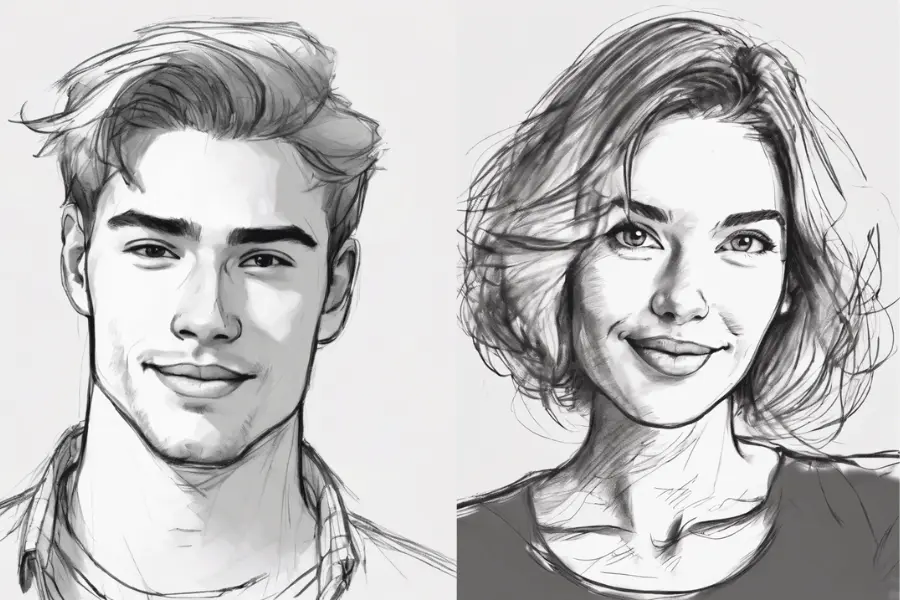
The Second Time Removes Pressure
When people revisit the experience, they often feel less pressure. Knowing what to expect can create a calmer and more grounded perspective.
Without the weight of anticipation, some people find it easier to reflect rather than react.
Mindset Shifts Influence Perception
Between first and second experiences, mindset frequently changes. Someone who initially approached the sketch with curiosity may later approach it with reflection — or vice versa.
These internal shifts can dramatically alter how the experience feels, even if the external elements remain similar.
Personal Growth Changes Interpretation
Life experiences that occur between the first and second encounter often shape interpretation. Relationship changes, emotional healing, or new perspectives can all influence meaning.
This is why the same symbolic experience may feel deeper, lighter, or more neutral over time.
Expectations Become More Realistic
The second time around, expectations are often more grounded. Without uncertainty about what the experience is meant to provide, people may engage with it more intentionally.
This shift can reduce disappointment and increase reflective value.
Why Some People Notice More Subtle Details
Familiarity can heighten awareness of subtle details. During a second experience, some people notice emotional cues, symbolism, or personal reactions they overlooked the first time.
This does not mean the experience changed — only that attention did.
Second Experiences Are Often Less Emotional — and That’s Okay
Some people worry when the second experience feels less emotional. However, reduced emotional intensity often reflects comfort rather than disengagement.
A calmer response can still offer insight without emotional pressure.
When the Second Time Feels More Meaningful
Interestingly, some people find the second experience more meaningful. With expectations set aside, reflection can feel clearer and more intentional.
Meaning often deepens when pressure decreases.
Revisiting the Experience by Choice
People who intentionally revisit the soulmate sketch experience usually do so with curiosity rather than expectation. This mindset often leads to a healthier engagement.
To explore the experience in more detail, visit: Soulmate Sketch Experience .
Why Different Reactions Are Normal
Emotional and psychological responses are dynamic. Expecting identical reactions across time overlooks how much people change.
Variation is not a flaw — it is a reflection of growth.
Second-Time Experiences Are Still Optional
Revisiting the experience is a personal choice. Some people feel complete after one encounter, while others enjoy exploring it again.
Neither approach is more valid than the other.
Maintaining Balance Across Multiple Experiences
Regardless of how many times someone engages with the experience, balance remains important. Soulmate sketches are not meant to replace real-world relationships, judgment, or emotional support.
Viewing them as reflective or creative tools helps maintain that balance.
See the Soulmate Sketch Experience

Viewing the presentation can help clarify whether revisiting the experience feels appropriate for you.
View the Soulmate Sketch ExperienceFor entertainment and general informational purposes only.
Related Topics Worth Exploring
Final Thoughts
A soulmate sketch can feel different the second time because people themselves change. When approached with curiosity and balance, revisiting the experience can offer perspective without pressure or expectation.